
Moving to Bangkok is exciting. Within weeks, you will have met more people than you expected — at a rooftop bar in Thonglor, at a co-working space in Ari, at somebody's leaving party for a person you'd only just been introduced to. Your calendar fills quickly. Your phone fills faster: new numbers, new LINE contacts, new group chats named things like "Sunday Brunch Crew" that go quiet within a month.
Then, somewhere around month four or five, a strange feeling arrives. You know lots of people. You don't know many people well.
I've heard this from hundreds of members of our community, and I lived it myself. Bangkok is one of the easiest cities in the world to meet people — and one of the easiest places to mistake a wide circle of acquaintances for a genuine social life. The two look almost identical from the outside. From the inside, they feel completely different. One gives you plans for Saturday night. The other gives you someone to call when your visa run goes wrong, when the deal falls through, when your mother is ill and you need to talk to somebody who actually knows you.
This is a guide to building the second kind. It is honest about why Bangkok makes it hard, and specific about what actually works. Not the version written for a tourism site. The version I'd tell a friend who'd just landed at Suvarnabhumi with two suitcases and a job offer.
Why Bangkok Makes This Harder Than It Looks
Bangkok is a city of constant arrivals and departures. Teachers on one-year contracts. Digital nomads on ninety-day visas. Regional executives posted here for eighteen months before Singapore or Hong Kong calls them onward. Every social circle you join has a quiet countdown timer running inside it, and everyone half-knows it. It changes how people invest. Why go deep with someone who might be gone by Songkran?
Psychologists call the effect ambiguous loss — but you don't need the terminology to recognise the pattern. In your home town, friendship compounds by default: the same faces at school, at work, at the pub, year after year. In Bangkok, the default is churn. If you do nothing deliberate, the city will keep handing you first meetings forever and second meetings almost never.
Geography conspires too. Bangkok is enormous, and the traffic is famous for a reason. A friend who lives in On Nut when you live in Ari is, on a wet Friday evening, functionally in another city. Spontaneity — the "I'm nearby, fancy a quick coffee?" texture that friendships are actually made of — gets taxed heavily here. Social scientists have a name for the underlying principle: the propinquity effect, the well-established finding that we form bonds with the people we encounter most often and most conveniently. Bangkok's sprawl works directly against it, unless you engineer around it.
And then there's the sheer abundance. There is always another event, another opening, another festival, another group. Endless options sound like a gift, but they produce a subtle pathology: it is always easier to meet someone new than to follow up with someone you've already met. Novelty is frictionless. Depth takes admin. So the city quietly optimises you towards a life of permanent introductions.
None of this means Bangkok is a bad place to build a social life. It is one of the best, and the warmth here is real. But you have to understand the current before you can swim against it.
The Biggest Mistake Expats Make
Here is the pattern I see most often, and the one I fell into myself when I first arrived: newcomers optimise for meeting people. Almost nobody optimises for seeing them again.
It's an understandable error. Meeting people feels like progress. Every new contact is a small dopamine hit, a visible metric moving in the right direction. But friendship doesn't run on introductions. It runs on repetition.
The research here is unusually clear. Jeffrey Hall's 2018 study at the University of Kansas tracked how long it actually takes for an acquaintance to become a friend, and the numbers are sobering: roughly 50 hours of shared time to move from acquaintance to casual friend, around 90 hours to become a real friend, and well over 200 hours for a close friend. Two hundred hours. At one two-hour dinner a month, that's the better part of a decade. Hall's other finding matters just as much: the hours have to be chosen, not merely coincidental. Time spent joking, catching up, and doing things together counts; time spent merely co-existing in the same office largely doesn't.
Robin Dunbar's work on the layers of friendship points the same direction. Our closest circle — the roughly five people we'd turn to in a crisis — isn't maintained by affection alone but by frequency of contact. Let the frequency drop and the layer decays, however fond of each other you remain.
Read those findings against Bangkok's churn and sprawl and the diagnosis writes itself. The city gives you unlimited first hours and rations the fiftieth. So the entire game — the whole strategy, really — is this: stop collecting people, and start compounding time with a smaller number of them. I wrote about the digital version of this same trap in why matching is easy and meeting is hard; Bangkok simply runs the analogue edition.
Practically, it means doing something slightly uncomfortable: leaving some events unattended, some invitations declined, so you can say yes — again and again — to the same handful of promising people. Depth is bought with breadth you chose not to pursue.
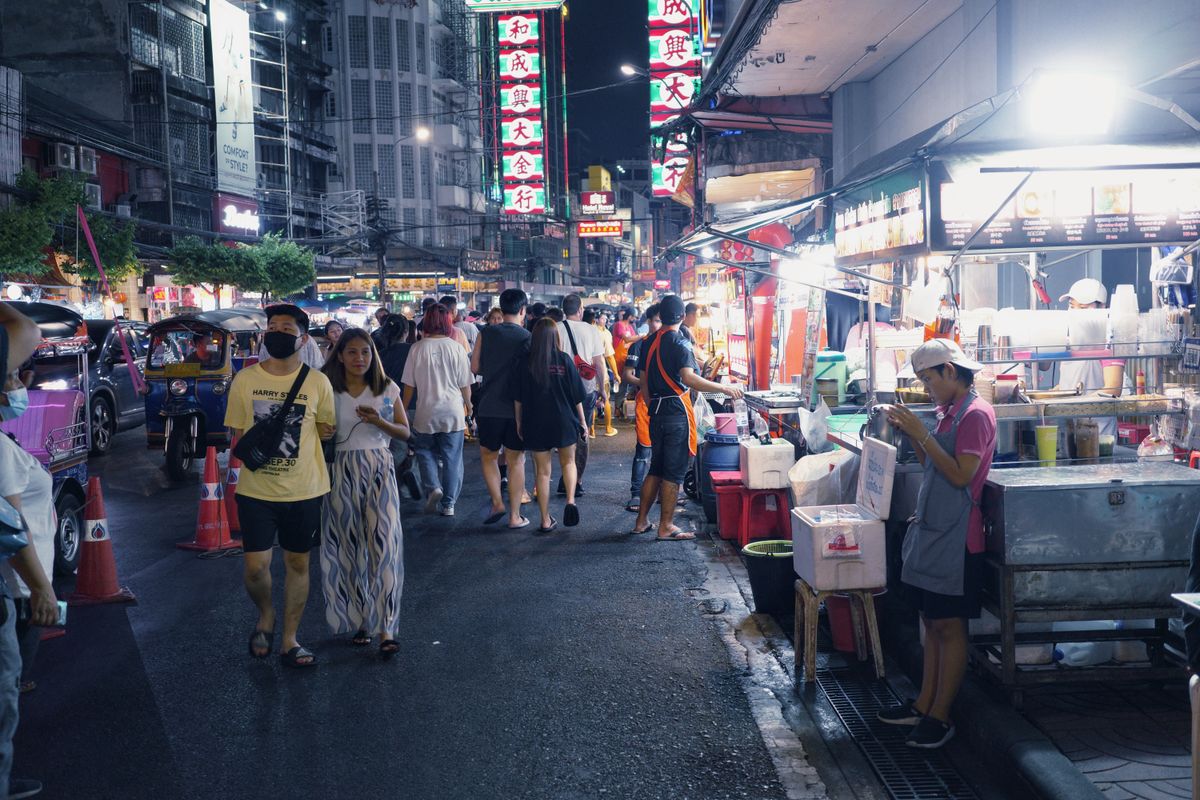
Join Communities, Not Events
If repetition is the engine of friendship, then the most important structural decision you'll make in Bangkok is this: join things that recur.
An event is a single roll of the dice. You meet someone interesting, you exchange contacts, and then the burden of every future meeting falls on deliberate effort — scheduling, messaging, surviving the Bangkok traffic calculus. Most of those threads die, not because anyone disliked anyone, but because effort is a tax and everyone's busy.
A community changes the mathematics entirely. A running club that meets every Tuesday in Benjakitti Park. A padel group with a standing Thursday court booking. A weekly yoga class, a founders' breakfast, a photography walk, a volunteering shift at a shelter. In a recurring group, seeing someone again requires no courage and no admin. You simply show up, and there they are. The fiftieth hour arrives on its own schedule, without anybody having to engineer it.
There's a second mechanism working underneath: the mere-exposure effect, one of the most replicated findings in psychology. We come to like people simply through repeated, low-stakes contact. The person who seemed unremarkable at week one becomes, by week six, someone whose absence you notice. Consistency creates familiarity. Familiarity creates trust. Trust creates the conditions in which someone finally says, "a few of us are getting dinner after — come along."
So when you're choosing how to spend your social energy in Bangkok, apply a simple filter: does this thing happen again next week, with roughly the same people? If yes, it's an investment. If no, it's entertainment. Both have their place, but only one builds a life. We keep a running list of recurring scenes worth trying in our guide to how to meet new people in Bangkok — the common thread among all of them is rhythm.
One caution: give a community six weeks before you judge it. The first visit to any established group feels like arriving at someone else's family dinner. That's not unfriendliness; it's simply what trust looks like from the outside. Week four feels entirely different from week one.
Build Two Circles: Thai Friends and International Friends
There's a version of expat life in Bangkok that is entirely possible and quietly impoverished: years in Thailand spent almost exclusively among other foreigners. The bubble is comfortable, English-speaking, and self-renewing — and it will happily absorb your whole social life if you let it.
The strongest social lives I've seen here — among our members and my own friends — combine two circles deliberately: an international circle and a Thai circle. Each does something the other can't.
Your international circle understands your particular strangeness. They know what it is to miss a nephew's birthday over a bad video call, to translate your career into a new market, to explain your life choices to bewildered relatives. That shared displacement creates fast intimacy, and it's precious.
Your Thai circle gives you the city itself. Not the Bangkok of expat brunch lists, but the one of family-run restaurants with no English menu, of weekend trips to a friend's home province, of finally understanding why the mood of the whole city shifts in April. Thai friendships often build more slowly and more indirectly than Western ones — warmth first, disclosure later — and they reward patience with a kind of loyalty that outlasts any contract cycle.
The honest difficulty: these circles don't form the same way. International friends tend to arrive through proximity and shared circumstance. Thai friendships more often grow through repeated shared activity — a sports team, a language exchange, a workplace, a hobby group — where the relationship can develop sideways rather than through interview-style getting-to-know-you conversation. Which is one more argument for communities over events: they're where the two circles naturally overlap.
A practical note on language: you don't need fluent Thai to build Thai friendships, but a hundred words changes everything. It signals the one thing that matters — that you're here as a resident, not a long-stay tourist.
Become the Organiser
At some point, every expat in Bangkok faces a fork in the road. You can wait for invitations, or you can create them.
Waiting feels safer. It also quietly outsources your social life to other people's initiative, in a city where everyone is busy, everyone is tired from the commute, and everyone is waiting for somebody else to go first. The result is a fog of mutual goodwill and no actual dinners.
So go first. Host the dinner. Book the padel court and ask three people to fill it. Organise the Sunday hike to Khao Yai, the brunch in Sathorn, the monthly dumpling crawl through Yaowarat. It doesn't need to be polished — some of the best recurring gatherings I know started as "I'm cooking too much curry on Friday, come and help."
Two things happen when you become the organiser. The first is obvious: your calendar fills with things you actually want to attend, populated by people you chose. The second is subtler and more valuable: you become a connector, and connectors sit at the centre of social gravity. People remember the person who brought good people together. They reciprocate. They bring friends of friends, and your circle grows through trust rather than chance — which, incidentally, is exactly how our own community has grown; most people arrive at SPARK because a friend brought them.
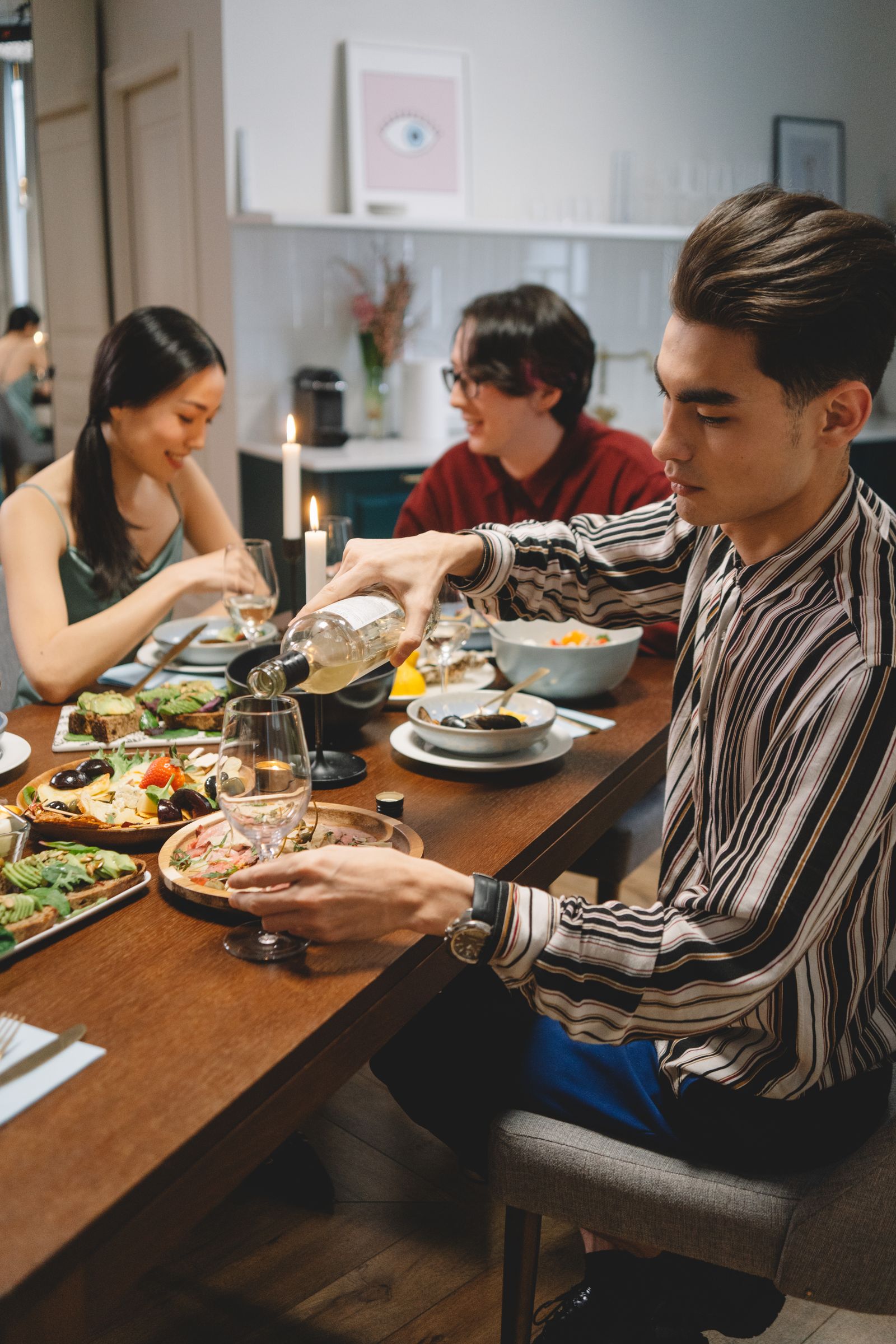
A few principles that make organising sustainable rather than exhausting. Make it recurring, so the invitation writes itself ("first Thursday of the month" beats a fresh scheduling negotiation every time). Keep it small; six people around a table build more friendship than thirty at a rooftop. Make it easy to say yes — pick venues near a BTS station, because in Bangkok, transit access is hospitality. And invite people who don't yet know each other. The gift you're really giving isn't dinner; it's introductions inside a warm context.
If hosting from scratch feels like too much, borrow the structure: our curated experiences exist precisely so that someone else has already set the table and gathered the people, and all you have to do is arrive.
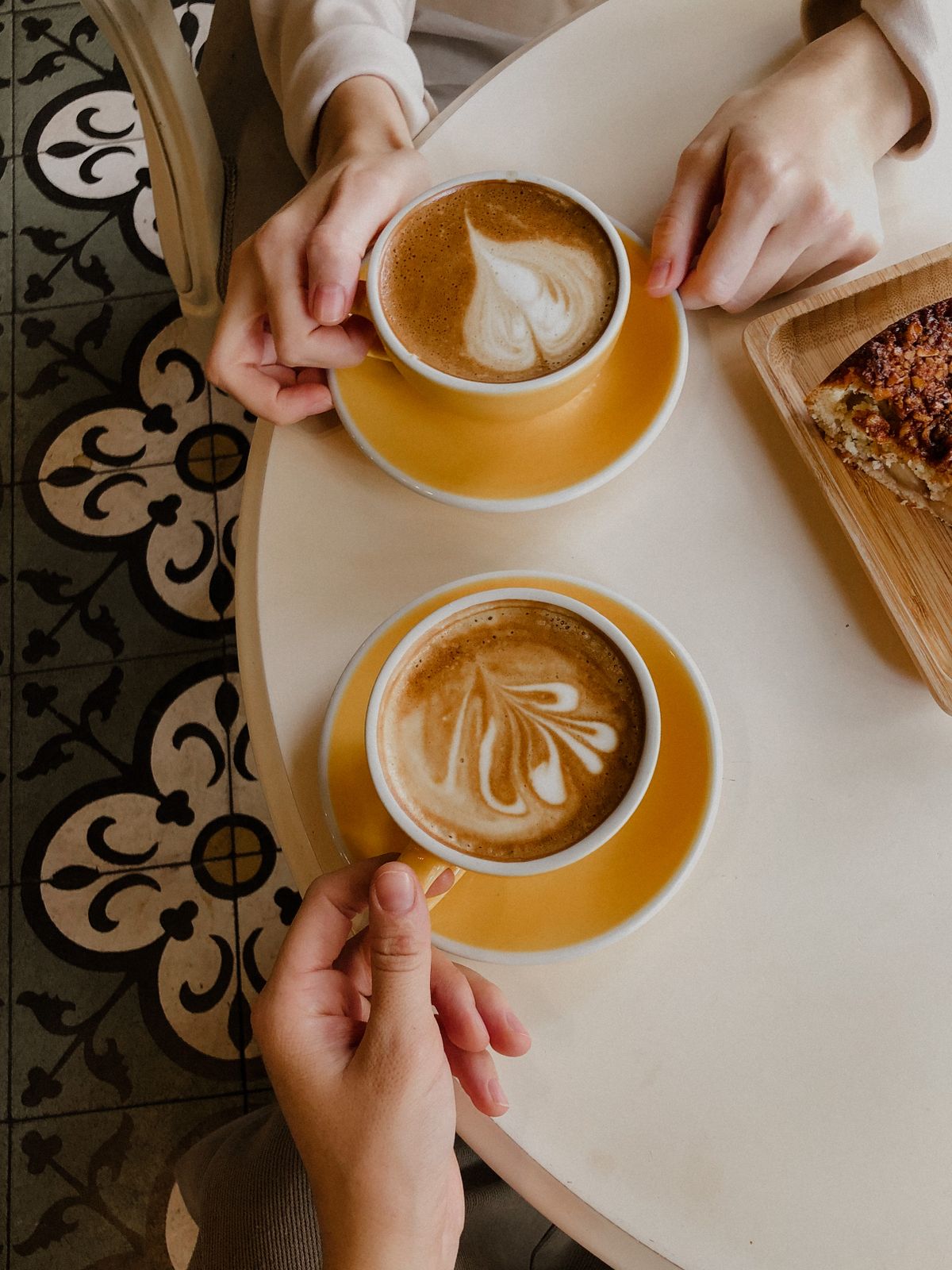
Why Shared Experiences Beat Conversations
There's a reason "let's grab coffee sometime" is where Bangkok friendships go to die, and it isn't insincerity. Face-to-face conversation with a near-stranger is genuinely demanding. Two people, a table, and an unspoken obligation to be continuously interesting — it's an interview wearing casual clothes.
Shared activities dissolve that pressure. A Thai cooking class, a comedy night, a longtail-boat trip through the khlongs of Thonburi, a street-photography walk through Talat Noi: the activity gives you somewhere to put your attention, so conversation becomes a by-product rather than a performance. Silences stop being awkward because you're both busy doing something. And you come away with the raw material of friendship — a shared memory, an inside joke, a story that starts with "remember when the boat driver…"
Side-by-side beats face-to-face, especially early on. It's how men in particular have always tended to build friendship — through doing rather than disclosing — but it works for everyone, and it works across cultures, which matters enormously in a city where your future friends may not share your first language. You don't need perfect mutual fluency to cook, climb, run, or laugh together.
This is also why the strongest advice in this entire guide is the least glamorous: pick two or three recurring, activity-based things, and protect them in your diary like meetings with your most important client. Because that's what they are. Julianne Holt-Lunstad's meta-analyses found that the strength of our social connections predicts health and longevity on a par with the most serious clinical risk factors — comparable to smoking, and stronger than obesity. Your Tuesday run club is not a hobby. It's infrastructure.
(And if a friendship built this way one day turns into something more — Bangkok has a way of doing that — we've written up our favourite date ideas in Bangkok too.)
Why We Built SPARK
Everything above works. It also demands something that newcomers have least of: time, local knowledge, and the confidence to walk into rooms full of strangers, repeatedly, until the rooms stop being full of strangers.
That gap is why SPARK exists. I didn't set out to build another app — Bangkok has no shortage of apps, and the loneliness statistics haven't noticed. What was missing was the connective tissue between "matched" and "met": a way to get verified, interesting people off their phones and around actual tables. So that's what we built — not a dating app, but social discovery: curated shared experiences where friendship, romance, professional connection and mentorship are all allowed to happen the way they do in real life, which is to say, unpredictably and in person. The full story is in why we built SPARK.
The design decisions all follow from this guide's logic. Every member is verified, because trust is the precondition for showing up (safety isn't a feature, it's the foundation). Experiences are small and recurring by design, because fifty hours has to come from somewhere. And they're built around doing things — supper clubs, sport, exploring the city — because side-by-side beats face-to-face.
Does it work? Our members have now completed 892 real-world meetings, across 3,000+ partner venues in Bangkok and Singapore — dinners and matches and walks that started as names on a screen and ended as people in each other's lives. And because friendship networks are how we grow, the same playbook is expanding: our members in Singapore face a version of the same challenge, which is why we wrote a companion guide to making friends in Singapore.
Looking to meet interesting people in real life? Download SPARK or join our verified community.
FAQs
How long does it take to make real friends in Bangkok? Longer than you'd hope, sooner than you'd fear. Research by Jeffrey Hall suggests around 50 hours of shared time to make a casual friend and 90 or more for a genuine one. In practice, expats who join two or three recurring communities usually feel they have a real circle within four to six months. The variable that matters isn't charisma; it's repetition.
Is it hard to make Thai friends as a foreigner? Not hard — just different in rhythm. Thai friendships tend to build through repeated shared activity rather than fast personal disclosure, so clubs, sport, classes and workplaces work far better than one-off socialising. Learn some Thai, accept invitations generously, and be patient through the warm-but-reserved early phase. The loyalty on the other side of it is worth every week.
I'm introverted and hate networking events. What should I do? Skip them, honestly. Networking events are the worst-value format in this entire guide: high pressure, low repetition. Choose small, recurring, activity-based groups instead — a book club, a climbing gym, a cooking class series — where familiarity does the work that small talk would otherwise have to. Introverts often build deeper Bangkok circles than extroverts, because they invest narrowly and consistently.
Founder's Note
Friendships rarely begin with a perfect conversation. In my experience they begin with an imperfect invitation — someone turning around and saying, "Would you like to join us?"
I remember being on both sides of that sentence in my early Bangkok years: the relief of receiving it, the small courage it took to say it. Much of what became SPARK is simply that sentence, built into a system — verified people, a set table, and a reason to show up again next week.
Bangkok will give you a thousand first meetings. What you do with the second one is up to you. Go first. Say the sentence.
— Sunny Khurana, Founder & CEO, SPARK
Keep Reading
More from the Journal


Looking to meet interesting people in real life?
SPARK is a members’ community for dating, friendship and professional connection — built around curated real-world experiences in Bangkok, Singapore and, from September, New Zealand.
Or read us first — new essays on real-world connection, monthly.