The City of a Hundred Third Things
Ask anyone in a long relationship about their most memorable early date and you will almost never hear about a restaurant. You will hear about the ferry they nearly missed. The walk that got rained on halfway up a volcano. The market stall where one of them mispronounced halloumi and never lived it down.
Memory does not reward expense. It rewards texture.
I have spent the last few years thinking about this professionally, because I run a company whose entire purpose is getting people off their phones and into real rooms — and real harbours, and real hillsides — together. And as SPARK prepares to arrive in New Zealand, with our app launching in Auckland on 1 September 2026, I have been studying this city the way I once studied Bangkok: as a machine for making memories between two people.
My conclusion is that Auckland might be one of the most quietly underrated dating cities in the world.
Not because it is romantic in the postcard sense, though standing on Mission Bay at dusk with Rangitoto silhouetted across the water makes a decent postcard. It is underrated because of something more structural: Auckland is a city of third things. Volcanic cones you can climb before dinner. Ferries that turn a date into a small voyage. Beaches within half an hour in almost any direction. Markets, galleries, headlands, vineyards, black-sand surf coasts. Two people in Auckland never need to sit opposite each other with nothing to do but talk — and that, as I am about to argue, is the whole game.
This is not a listicle of venues. It is a way of thinking about date ideas in Auckland — stage by stage, season by season — that you can use for years. And because spring is when this city truly wakes up, I have written it with September in mind.
The Interview Date, and Why It Fails
Let me start with the mistake nearly everyone makes, in Auckland as everywhere else.
Two people match online. They message for a week. Then they meet — and default to the format that feels safest: a table, two chairs, two drinks, and nothing to do except talk.
It sounds harmless. In practice it is the most demanding social format ever devised. Sitting directly opposite a stranger, holding eye contact, with no shared activity to absorb the silences, you have accidentally recreated a job interview. Every pause feels like failure. Every question sounds like it came off a checklist. Where are you from, how long have you been in Auckland, what do you do. Both of you performing; neither of you present.
I have written before about why matching is easy and meeting is hard, and the interview date is a large part of it. It does not fail because the people are wrong for each other. It fails because the format suppresses exactly the qualities — playfulness, curiosity, spontaneity — that make a person attractive.
The fix is embarrassingly simple: give the date a third thing. Something to walk through, look at, climb, taste or attempt. When you are wandering through the Saturday markets or halfway up Maungawhau, conversation stops being an examination and becomes a by-product. You talk about the thing in front of you, and the thing in front of you leads somewhere real. Silences stop being awkward because they are filled with the world.
Side-by-side beats face-to-face. It is the oldest trick in human connection, and few cities make it as easy as this one.
Stage by Stage: Date Ideas That Actually Work in Auckland
“Do something rather than just drink something” is good advice, but incomplete. The right experience depends on the stage. What is perfect on a third date can be far too much on a first. Here is how I think about the craft of it.
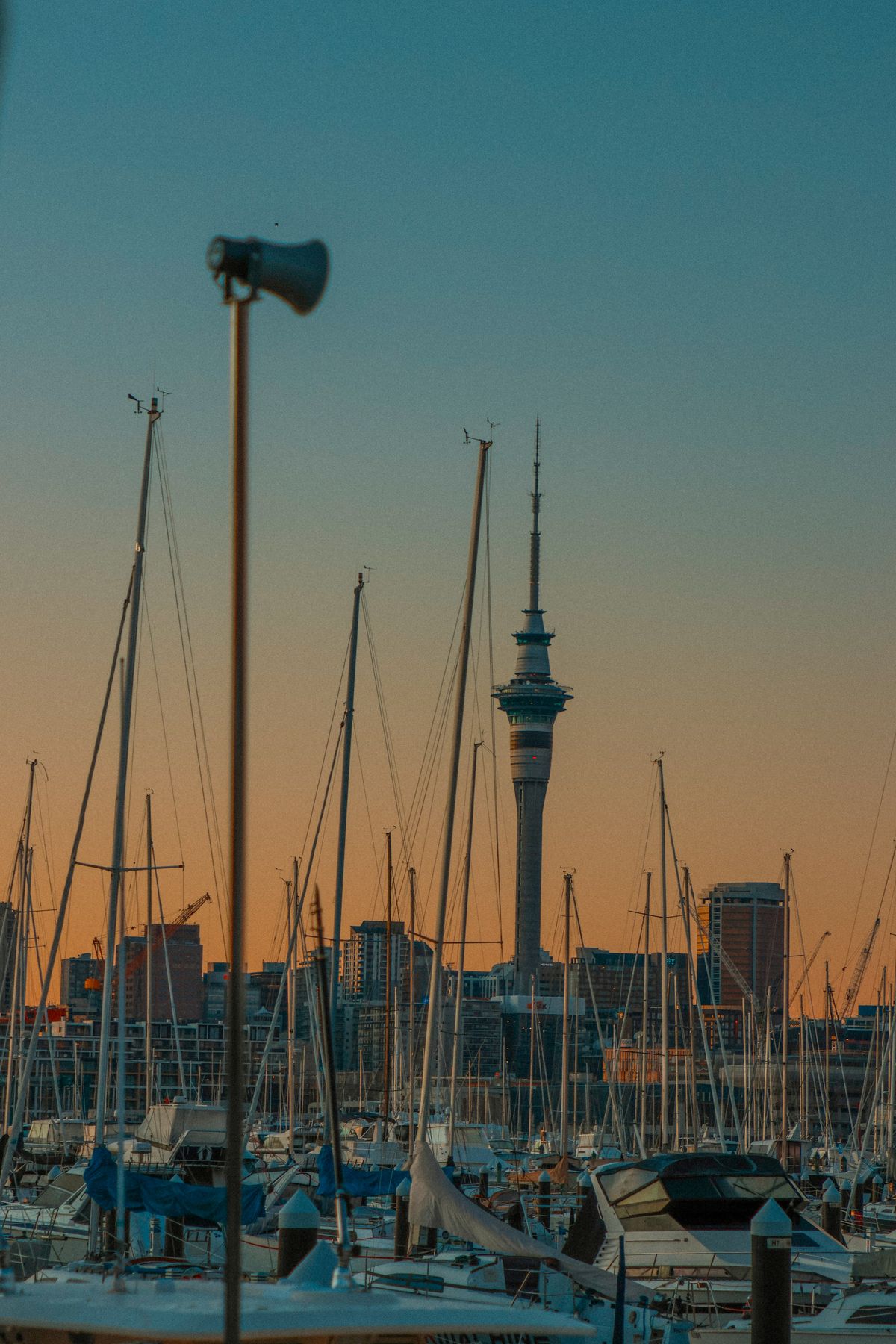
The first date: low cost, low commitment, high texture. The first meeting has one job — to find out whether you enjoy each other’s company in real life. It should be easy to extend if it is going well and easy to end kindly if it is not. Coffee and a neighbourhood walk remains the undefeated champion, and Auckland offers three superb arenas for it. Ponsonby, with its villas, side streets and an unreasonable density of good coffee. Karangahape Road, for people-watching, record shops and galleries. And the waterfront run from Britomart through to Wynyard Quarter, where the city keeps handing you things to point at — yachts, silos, bridges, water. An hour of walking gives you a hundred small prompts, a natural end point, and a built-in upgrade path: “Shall we keep going to the wharf?” If yes, the date doubles itself. If not, you part warmly at the next corner.
The second date: make something or watch something, together. By now you know you like talking to each other. The second date is where you learn how someone is — how they handle novelty, mild incompetence, other people. Browse the Auckland Art Gallery Toi o Tāmaki and argue gently about what you would hang at home. Take a cooking class and eat your mistakes. Wander a weekend market with no agenda beyond grazing. Catch live music or stand-up in a small room, because laughing at the same things is one of the fastest compatibility tests there is. None of these formats requires either of you to perform. All of them reveal.
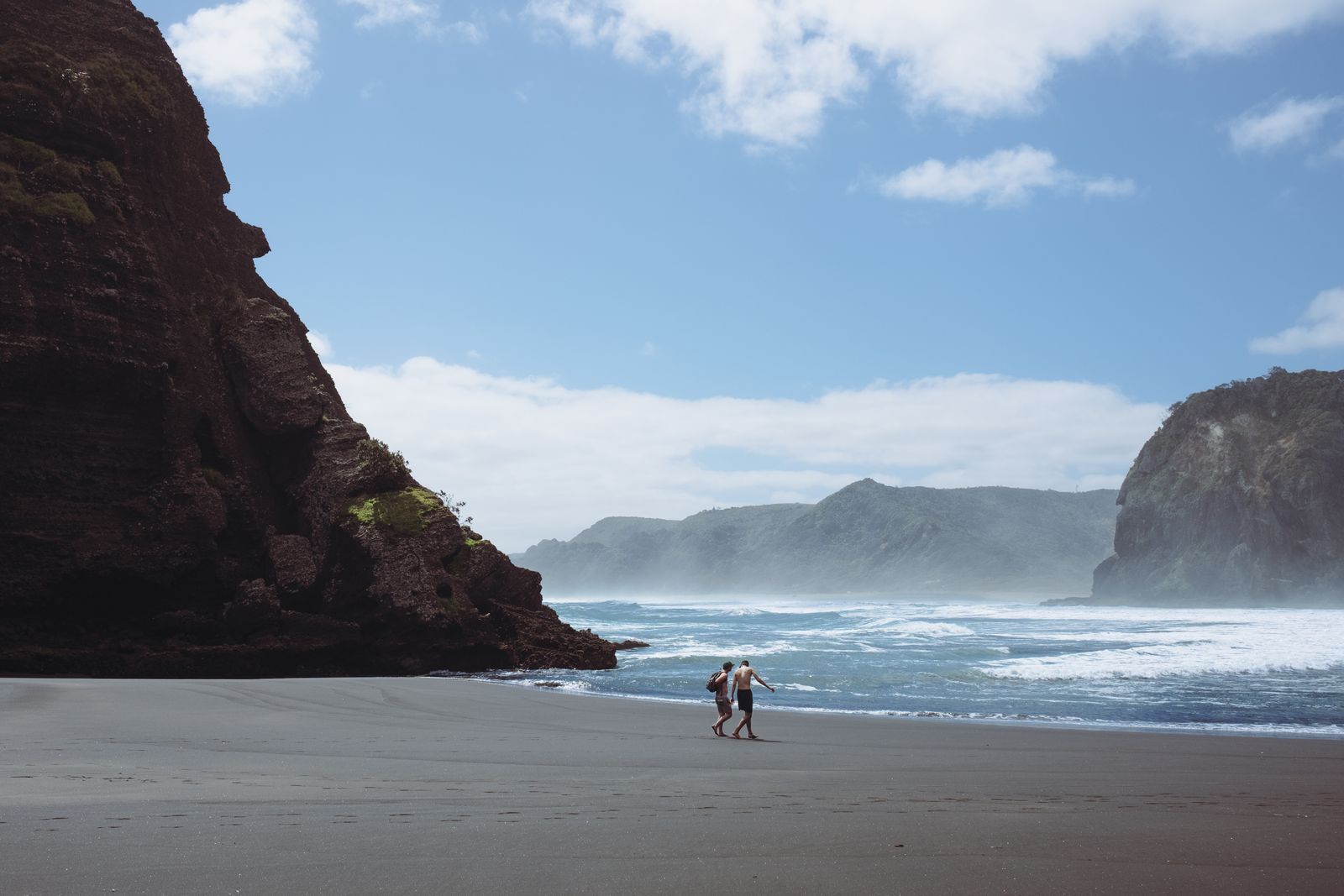
The third date and beyond: shared mild adventure. This is where Auckland stops being merely pleasant and becomes genuinely unfair to other cities. Take the ferry to Devonport — fifteen minutes of harbour crossing that feels like a small expedition — climb North Head, and let the gun emplacements and harbour views do the talking. Make a day of Waiheke Island: vineyards, headland walks, a swim if the spring sun is behaving. Walk up Maungawhau or One Tree Hill at golden hour and watch the whole isthmus light up, two harbours at once. Drive west to Piha or Muriwai, where black sand and gannet colonies and proper surf give you drama no restaurant can plate. Each of these produces what I call a story asset: a shared memory with a beginning, middle and end that becomes part of the private language of a new couple.
Notice what is missing from this list: anywhere you go primarily to be seen, and anywhere the main activity is ordering. Venues are backdrops. Experiences are plots. People fall for plots.
And if you are new to the city and short on ideas or company, that is a solvable problem too. I have written a fuller guide to how to meet people in Auckland that pairs well with this one.
Spring Is Auckland’s Opening Line
Every city has a season that functions as its invitation. In Bangkok it is the cool season; in Auckland it is unmistakably spring.
From September through November the city stretches, blinks and comes back outside. The cherry blossoms arrive in the Auckland Domain and Cornwall Park and for a fortnight half the city seems to be photographing the other half beneath them — which is itself a lovely, low-stakes date. Daylight lengthens week by week. The water is not yet warm, but the beaches are already walkable, the ferries already glorious, the evenings suddenly long enough for an after-work climb up a maunga.
Spring in Auckland rewards a particular kind of dating: ambitious in plan, flexible in execution. Book the Waiheke day, plan the west coast drive, suggest the blossom walk — but hold every plan lightly, because this is also the season of the famous four-seasons-in-one-day forecast. A spring date in Auckland should always carry a plan B in its back pocket: the gallery if the rain sets in, the café with the long window, the covered market.
Here is the counterintuitive part: the volatility is a feature. A shower that chases you both into a bookshop for forty minutes is not a failed plan, it is a plot twist — and plot twists are what dates are for. Some of the best early-relationship stories I have ever been told begin with the weather ruining everything.
If you take one seasonal instruction from this piece, take this one: in September and October, default to outdoors and let the sky edit. The city will hand you better material than any itinerary could.
The Science Bit: Why Shared Experiences Build Attraction
None of this is just my taste talking. The psychology of attraction has pointed the same way for half a century.
The best-known finding is Dutton and Aron’s 1974 “shaky bridge” study, in which men who met a woman on a high, swaying suspension bridge were markedly more likely to pursue her afterwards than men who met her on a stable one. The mild arousal of the experience — the racing pulse, the heightened attention — became entangled with the person they shared it with. Psychologists call it misattribution of arousal. Daters should call it a strategy. A date with a little adrenaline in it — the wind on the Devonport ferry’s top deck, the surf at Piha, the last steep stretch of North Head — borrows an intensity that quiet rooms cannot generate.
Arthur Aron’s later work on the self-expansion model points the same direction: we are drawn to relationships that enlarge us, and couples who do novel, engaging things together report feeling closer than couples who default to the pleasant and familiar. Novelty is not a nice-to-have in early dating. It is the mechanism.
And the humble mere-exposure effect — our tendency to grow fonder of people through repeated, low-pressure contact — quietly argues for the walking date, the market date, the ferry date: formats that make the second and third meeting feel natural rather than negotiated.
We have watched this play out at close range. Across the 892 completed real-world meetings our community has clocked up in Bangkok and Singapore, the pattern is unmistakable: the meetings people rave about afterwards are almost never the ones with the most glamorous venue. They are the ones with the most plot. I wrote about the Bangkok version of this in my guide to date ideas in that city, and the law holds across hemispheres: the memories you create matter more than the money you spend.
Stop Trying to Impress
Which brings me to the mindset shift underneath all of this.
Most bad dates are not caused by a lack of effort. They are caused by the wrong kind of effort — effort aimed at impressing rather than connecting. The showpiece restaurant, the rehearsed anecdotes, the quiet CV recitation. Impressing is a performance, performances create audiences, and audiences evaluate. You do not want to be evaluated. You want to be joined.
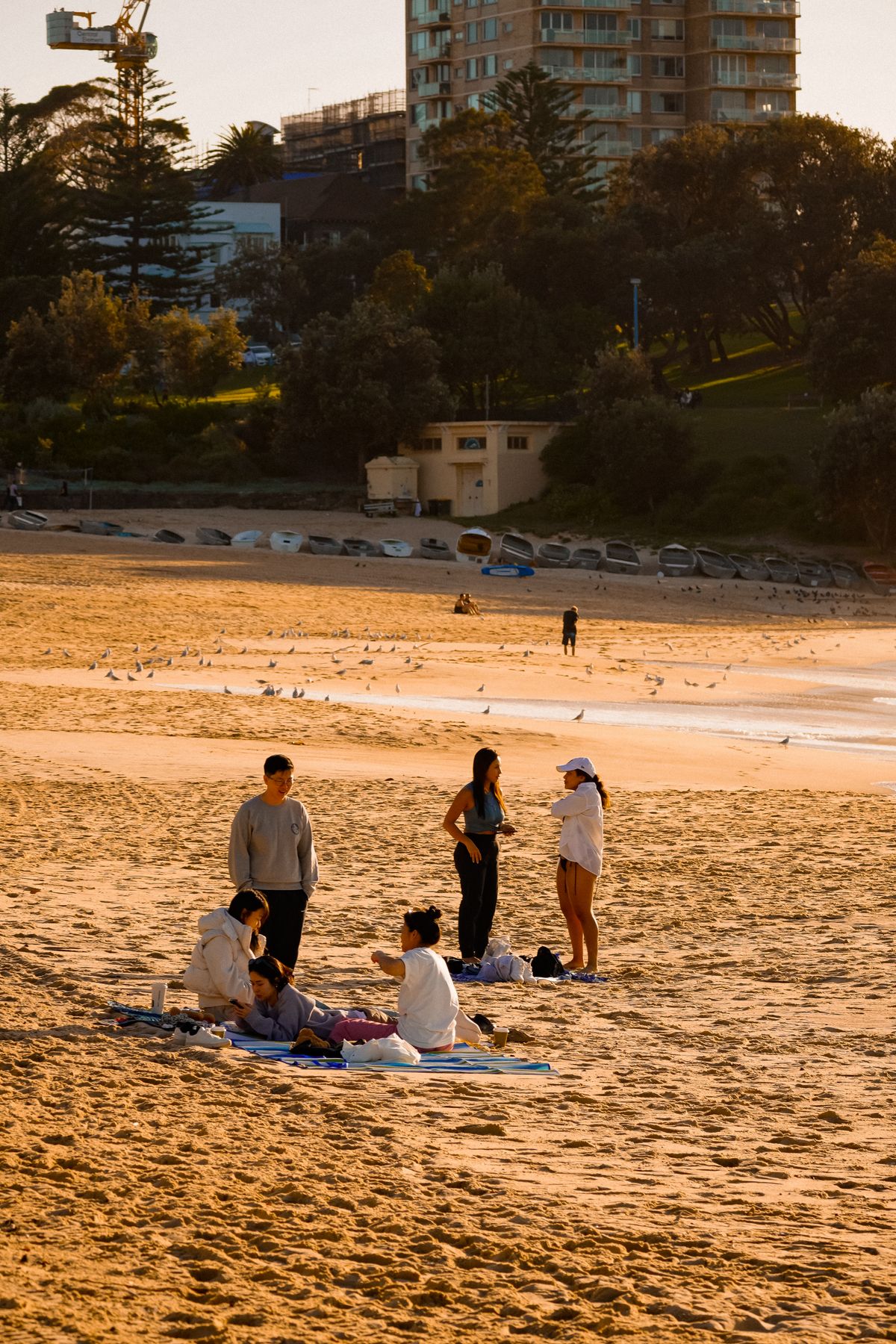
Thoughtfulness beats luxury almost every time, and Auckland is unusually kind to the thoughtful. “You said you missed swimming, so I found us a beach for the first warm Saturday of spring” will outperform any tasting menu ever printed. A ferry crossing, fish and chips on the sand at Takapuna, a climb you timed for sunset — these say I pay attention and I have taste, which is far more attractive than I have money.
There is a practical bonus, too. When a date costs little, you can date generously — more often, more experimentally, with less pressure riding on any single evening. The person who plans one lavish dinner a month is out-romanced by the person who plans four curious afternoons. In a city where most of the best experiences are geological, tidal or free, that is a very achievable standard.
So retire the question “where should I take them?” and replace it with a better one: “what could we discover together?” The first question produces reservations. The second produces relationships.
Why Auckland Is SPARK’s Next Chapter
Everything above explains a decision people have been asking me about: why New Zealand, and why Auckland first.
SPARK is not a dating app, and I am precise about that. We are building social discovery — a verified community where people meet in real life through curated shared experiences, whether they are looking for romance, friendship, professional connection or mentorship. If shared experiences are how humans actually bond, the product should start there, not end there. So instead of optimising for messages sent, we organise real experiences — supper clubs, coastal walks, padel sessions, gallery evenings — and every member is verified, because walking into a room of strangers should feel exciting, not risky. You can read exactly how we approach that on our safety page.
Auckland called to us for the same reasons this article exists. It is a city dense with third things and, like every fast-growing international city, full of people who arrived for work or study and found the social side harder than the professional one. So many Aucklanders are newcomers — from other countries or simply other parts of the country — and the same experiences that spark romance also quietly solve the harder, less discussed problem of making friends after moving to New Zealand.
Our New Zealand operations open on 1 August 2026, and the app goes live in Auckland on 1 September — the first days of spring, which is exactly the point. We wanted to arrive as the blossoms do: at the moment the city comes back outside.
In other words, we took everything in this article and turned it into infrastructure. The third thing, on tap.
Looking to meet interesting people in real life? Download SPARK or join our verified community.
FAQs
What is the best first date idea in Auckland? Coffee and a walk through a neighbourhood with layers — Ponsonby, Karangahape Road, or the waterfront from Britomart to Wynyard Quarter. It is low-pressure, easy to extend if things are going well, and the streetscape gives you endless natural conversation. Save dinners and showpiece venues for later, once the connection is established.
What are good spring date ideas in Auckland? Default to outdoors and hold plans lightly. Walk the cherry blossoms in the Auckland Domain or Cornwall Park, take the ferry to Devonport and climb North Head, make a day of Waiheke, or time a walk up Maungawhau for sunset. Always carry a plan B — a gallery, a café, a covered market — because spring weather here loves a plot twist.
Do expensive dates work better in Auckland? Generally, no. Auckland’s most memorable experiences — ferries, beaches, volcanic summits, markets — cost little or nothing, and the research on shared experiences suggests novelty and engagement drive closeness far more than spending does. Thoughtfulness and curiosity signal much more than money.
Founder’s Note
The best dates begin with curiosity, not perfection.
Every piece of advice in this article reduces to one principle: your job on a date is not to impress another person, it is to build an environment where two people can enjoy being themselves at the same time. Auckland makes that easier than almost any city we have studied — the ferries, the maunga, the blossoms, the weather that refuses to follow your itinerary.
Pick the third thing. Let the city do its work. Everything else follows.
We will see you in Auckland this spring.
— Sunny Khurana, Founder & CEO, SPARK
Keep Reading
More from the Journal



Looking to meet interesting people in real life?
SPARK is a members’ community for dating, friendship and professional connection — built around curated real-world experiences in Bangkok, Singapore and, from September, New Zealand.
Or read us first — new essays on real-world connection, monthly.