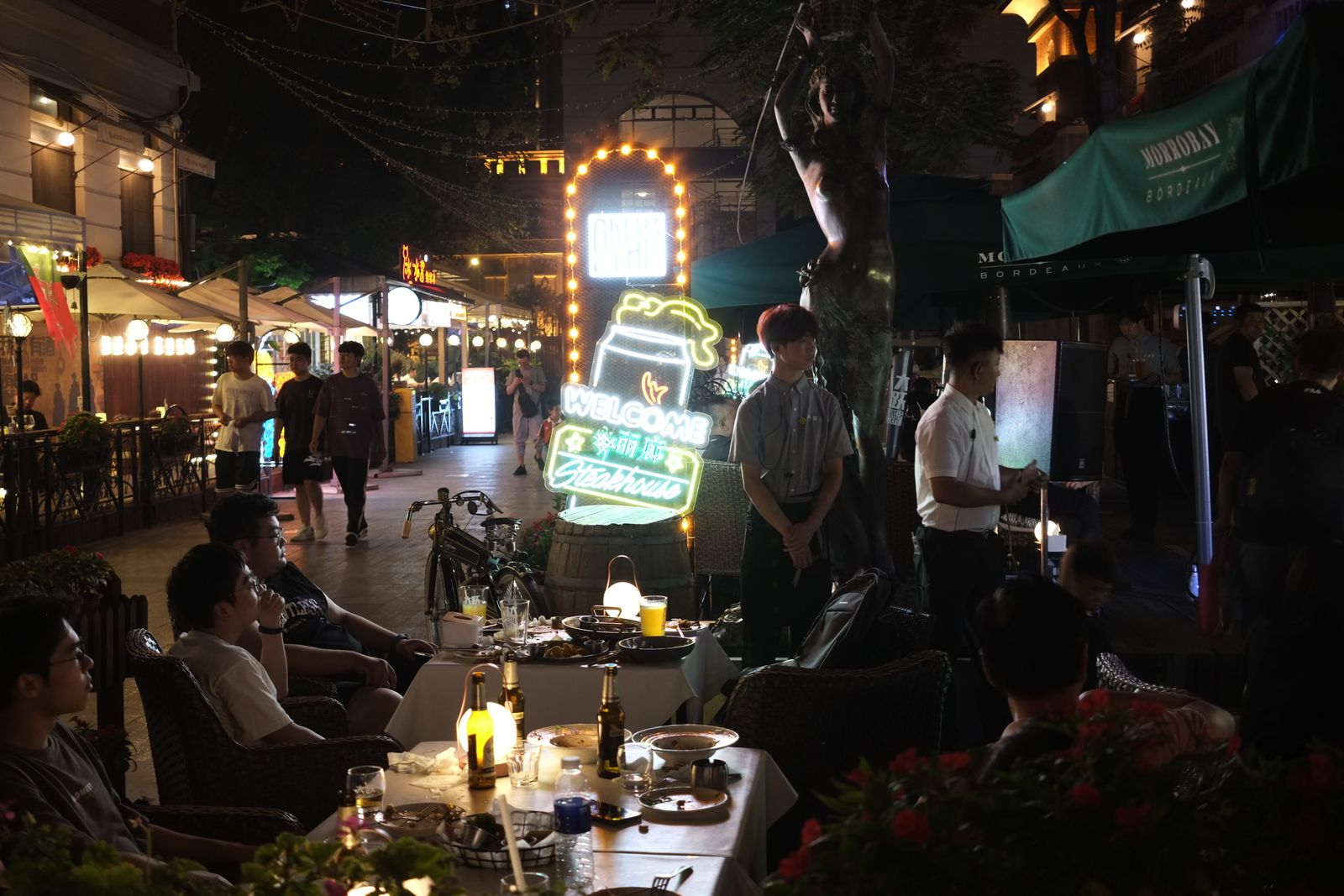
Bangkok has a strange reputation among the people who live here. Visitors call it one of the friendliest cities on earth, and they're not wrong — the warmth is real, the smiles are real, the willingness to help a stranger decode a bus route is real. And yet ask almost anyone who has lived here for a year, Thai or foreign, whether it's easy to build a genuine social life, and you'll get a pause. Then something like: "Easy to meet people. Hard to keep them."
Both halves of that sentence deserve attention, because the way you solve the first determines whether you ever solve the second.
Why Bangkok feels social but hard to crack
Three forces shape social life here, and none of them are about you.
The first is scale. Greater Bangkok holds more than ten million people spread across a city with no single centre. Your potential friends exist in enormous numbers — and they are forty-five minutes away in traffic, which in practical terms means they might as well live in another city. Friendships here die of logistics more often than of anything personal.
The second is transience. A meaningful slice of the people you'll meet — especially in the international crowd — are on two-year contracts, gap-year adventures, or remote-work stints with a visa clock ticking. You can build something real with someone in month three and watch them fly home in month nine. That churn teaches long-term residents a quiet defensiveness: they invest slowly, because they've been burned by goodbyes.
The third is that Bangkok's social scenes are genuinely fragmented. The Thai creative crowd in Ari, the finance expats in Sathorn, the founders around Sukhumvit's co-working corridors, the old-school long-timers out past On Nut — these worlds overlap far less than the city's density suggests. Nobody hands you a map.
The good news: every one of these problems has a workaround, and none of the workarounds involve being more charming.
Choose scenes, not events
Here is the single most useful reframe for meeting people in Bangkok: stop collecting events and start joining scenes.
An event is a one-off. You attend, you meet eleven people, you exchange a few Line IDs, and you never see any of them again — because there was no reason to. A scene is anything that repeats: a Tuesday run club, a weekly language exchange, a monthly supper club, a Muay Thai gym you actually attend. Scenes give you the one ingredient friendship cannot form without: repeated, low-pressure exposure to the same faces. Sociologists have been saying this for decades — proximity and repetition beat charisma — and Bangkok proves it weekly.
So audit your calendar. If everything on it is a one-time thing, you're doing lead generation with no follow-up. Choose two or three repeating commitments and protect them for ninety days before you judge the results.
The neighbourhood strategy
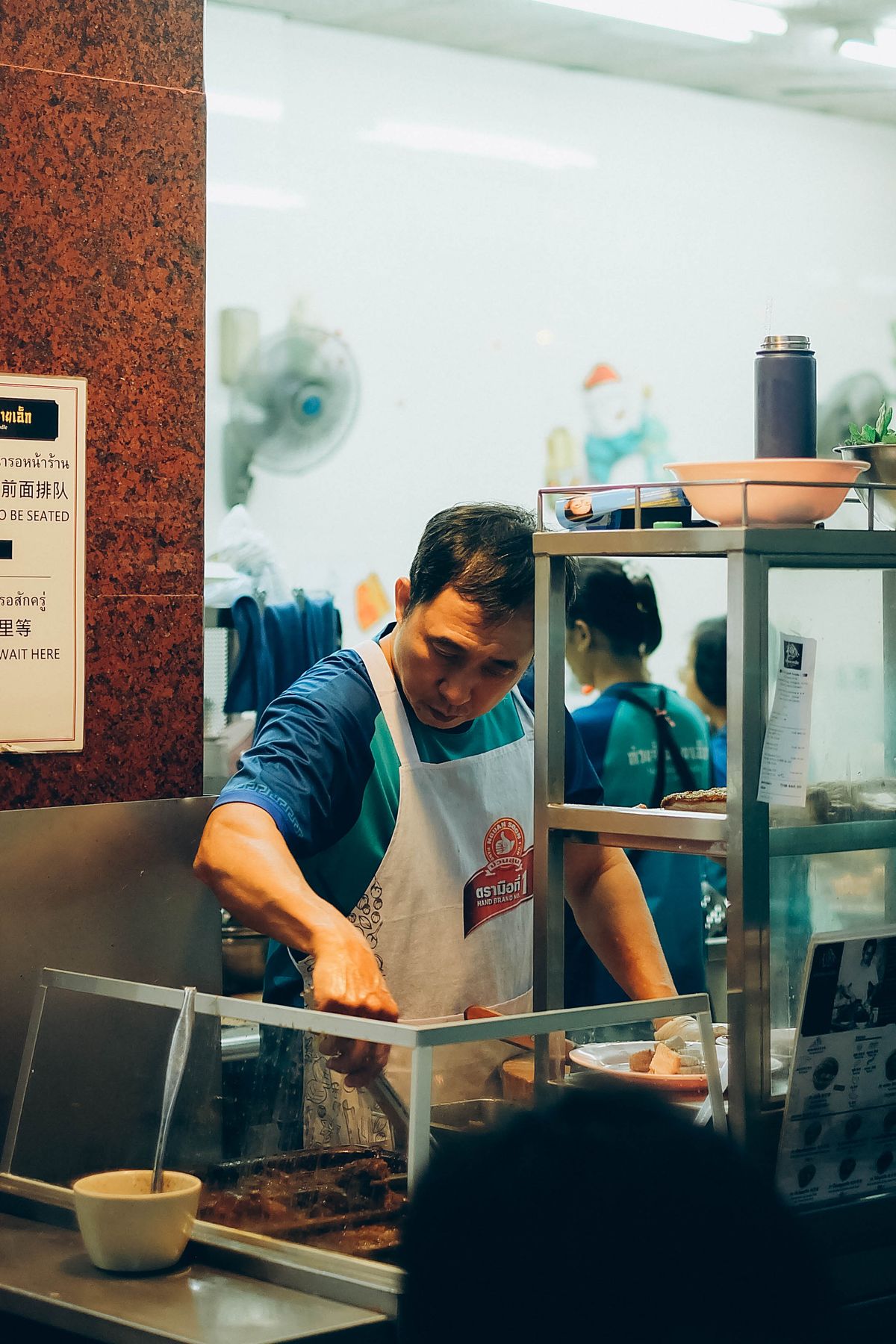
Because traffic is the great friendship-killer, where you spend your evenings matters more here than in almost any other city. A few honest sketches:
Ari is the gentlest entry point into Bangkok social life — low-rise, café-dense, walkable, and home to a mixed Thai-international creative crowd. It's the rare part of the city where being a regular somewhere takes about three visits.
Thonglor and Ekkamai are where much of the city's after-dark social energy concentrates: listening bars, wine bars, izakayas, late cafés. It skews polished and can feel transactional on a bad night, but the density of gathering places is unmatched, and the crowd is used to talking to strangers.
Charoenkrung and the riverside have become the creative quarter — galleries, restored shophouses, design studios. Openings and workshop nights here draw people who came specifically to talk.
Sathorn and Silom are corporate by day and surprisingly social by night, especially if your route to friendship runs through professional life. If that's you, the city's networking scene deserves its own read.
You don't have to live in these places. You do have to stop trying to sustain a social life across three of them at once. Pick one and become known there.
Timing matters: the Bangkok social calendar
One thing nobody tells newcomers: Bangkok's social year has a rhythm, and working with it beats working against it.
Cool season — roughly November through February — is the city at full social capacity. The heat relents, outdoor everything reopens, rooftop culture peaks, and the festival calendar stacks up week after week. If you're planning a deliberate push to meet people, these are the months when every scene is at maximum attendance and strangers are at maximum willingness. New arrivals who land in October have historically had the easiest ramp.
April is a reset. Songkran empties the city of locals and long-termers alike; half your new acquaintances will be on a beach or a plane, and social continuity breaks for two or three weeks. Don't read the silence as rejection — everyone experiences it. Treat late April as a fresh start and re-issue your invitations.
Rainy season, May through October, is quietly underrated. Social life moves indoors — classes, gyms, supper clubs, galleries — and indoor formats favour depth over breadth. The people who show up to a ceramics course in the middle of a monsoon are serious about being there. Some of the fastest friendships in this city form in rooms the rain drove everyone into.
There's a weekly rhythm too. Thursday has quietly become the big social night for the professional crowd, Fridays scatter people toward weekend trips, and Sunday evenings — when the city softens and nobody has anywhere to be — are the most underused friendship hours in Bangkok. A standing Sunday dinner is a circle waiting to happen.
Structured ways in
Unstructured socialising — hoping to meet people at bars — has the worst effort-to-outcome ratio of any method, in any city. What works in Bangkok is structure: a shared activity that gives everyone a reason to be there and something to talk about other than "so, how long have you been here?"
The options are broad and mostly excellent. Muay Thai and fitness gyms build fast camaraderie because you suffer together. Thai language classes filter for people planning to stay, which quietly solves the transience problem. Run clubs have exploded across the city and cost nothing. Cooking courses, ceramics studios, photography walks, climbing gyms, sailing clubs on the weekend — each one is a room full of people who chose to show up, which is already a filter for openness.
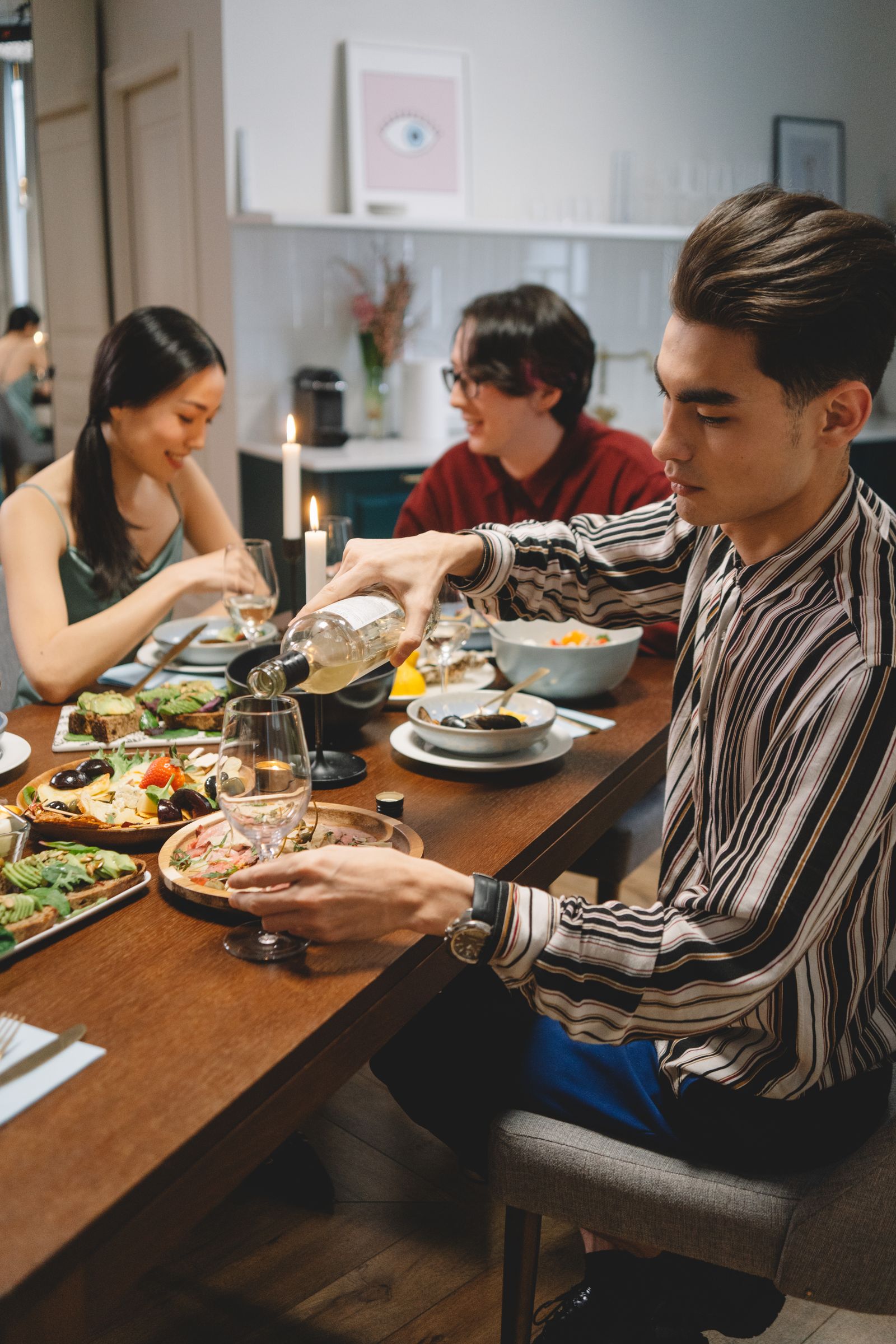
Then there's the newer layer: membership communities built specifically around meeting. This is the gap SPARK was designed to fill — a members-only platform where verified people meet through curated real-world experiences rather than open-ended chat. Members have already met more than 1,300 times in person across Bangkok and Singapore, at everything from small-format dinners to activity-based meets drawn from a network of 3,000+ venues. The verification matters more than it sounds: when everyone in the room is a real, vetted person who applied to be there, the default assumption shifts from wariness to willingness.
From acquaintance to actual friend
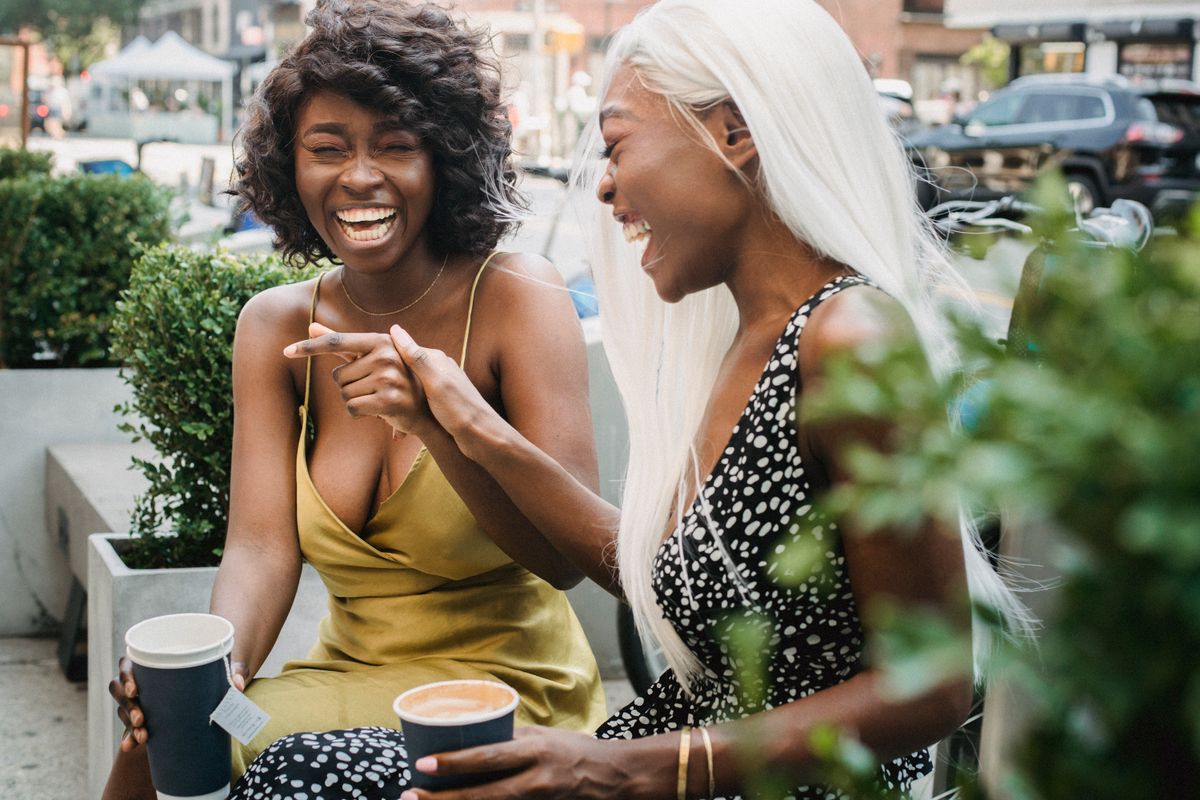
Meeting people is a numbers problem. Making friends is a follow-up problem — and this is where most people quietly fail.
The pattern that works is unglamorous. When you click with someone, propose something specific within forty-eight hours: not "we should hang out sometime," which is where friendships go to die, but "I'm checking out the night market in Ari on Thursday — come." Specific plan, specific date, easy to accept or decline.
Then repeat. Research on adult friendship suggests it takes dozens of hours of shared time to move someone from acquaintance to friend, and there is no known shortcut. What you can control is the density of those hours. One shared cooking class plus one dinner plus one weekend trip to Khao Yai will do more than six months of occasional drinks.
One more local note: if you want Thai friends and not only an expat circle — and you should want both — understand that the invitation rhythms differ. Thai social life often runs through group outings rather than one-on-one plans, and food is nearly always the vehicle. Say yes to the group dinner. Always say yes to the group dinner. There's a longer, more honest discussion of this in our guide to making friends in Bangkok as an expat.
The shortcut that isn't cheating
A fair question at this point: if scenes, structure and follow-up are the method, why does anyone need a platform at all?
Because the method has a cold-start problem. Scenes take months to pay off. Structure requires knowing which rooms are worth entering. And follow-up only works on people you've already met. A curated community compresses all three steps: the room is pre-selected, the people are verified and demonstrably willing to meet — you're skipping the six months of trial and error, not the human part. That's the entire premise behind SPARK's curated experiences: the meeting itself is the product, not another inbox.
However you do it — run club or supper club, ceramics or curated dinners — the mechanism underneath is identical. Show up, repeatedly, in rooms small enough to be seen in. Bangkok rewards nothing so much as consistency.
FAQs
Is it hard to make friends in Bangkok as a foreigner? Meeting people is easy; keeping them takes deliberate effort. The main obstacles are distance (traffic fragments the city), transience (many internationals leave within two years), and fragmented scenes. Foreigners who join repeating activities — classes, clubs, member communities — consistently report building real circles within three to six months.
What's the best way to meet people in Bangkok without drinking? Bangkok's daytime and sober social scene is strong: run clubs, Muay Thai gyms, language exchanges, cooking schools, ceramics studios, climbing gyms and river-side walking tours all build connection without a bar in sight. Activity-based meets also tend to produce better conversation than nightlife, because there's something to do besides talk.
How do I meet verified, like-minded people rather than random strangers? Look for communities with an application or verification layer. SPARK, for example, verifies every member and curates meets around shared interests — dating, friendship or professional — so the people you meet have been vetted and are explicitly there to connect in person. You can read about the approach on our safety page and apply via the membership page.
Ready to meet people beyond endless messaging? Apply for SPARK Membership
Keep Reading
More from the Journal


Looking to meet interesting people in real life?
SPARK is a members’ community for dating, friendship and professional connection — built around curated real-world experiences in Bangkok, Singapore and, from September, New Zealand.
Or read us first — new essays on real-world connection, monthly.