The Most Underrated Dating City in Asia
Singapore has a reputation problem, and it is almost entirely undeserved.
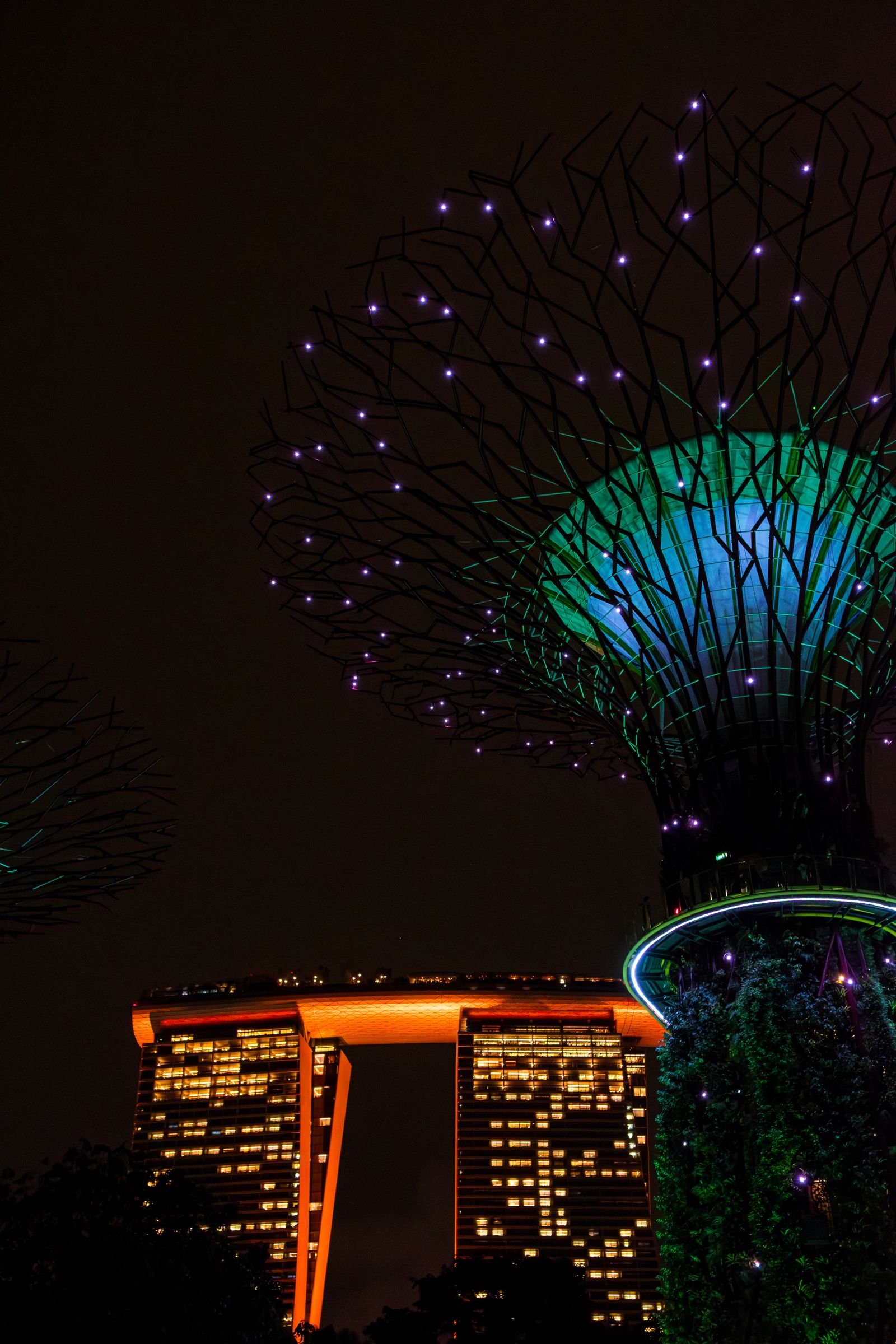
Ask people who have never dated here what a Singapore date looks like and they will describe something expensive and vaguely corporate: cocktails somewhere high up in the Marina Bay Sands skyline, dinner that costs a week’s groceries, everything air-conditioned, everything efficient, nothing left to chance. Pleasant, polished, and forgettable — a city, the stereotype goes, that is wonderful for careers and merciless on romance.
I run a company whose entire purpose is getting people off their phones and into real rooms together, and Singapore is one of our two home cities. I have now watched a very large number of first meetings happen here — across our community, 892 completed real-world meetings and counting — and I can tell you the stereotype is wrong in a specific and useful way.
Singapore is not a city that lacks texture. It is a city that files its texture neatly.
Bangkok, where I have also lived and written a companion to this piece, throws its romance at you: the chaos finds you whether you asked for it or not. Singapore asks you to go looking. The wet markets, the shophouse lanes of Joo Chiat, the kayaks at dawn, the kampong time-capsule of Pulau Ubin, the thunderstorm that rewrites your evening — it is all here, dense and cheap and twenty minutes away. But it hides behind the glass towers, and most daters never make it past the cocktail bar.
This article is my attempt to fix that. Not a listicle of venues that will be out of date by Christmas, but a way of thinking about dates in this particular city — its neighbourhoods, its weather, its islands, its hawker tables — that you can use for years. Because when you learn to read Singapore properly, it turns out to be one of the best dating cities in the world. Arguably better than the famously romantic ones, for reasons I will get to.
Retire the Interview Date
First, the mistake nearly everyone makes, in every city, and which Singapore’s efficiency actively encourages.
Two people match online. They message for a week. Then they book the default: a bar or a restaurant, a table between them, two drinks, and nothing to do except talk. It feels safe. It is actually the most demanding social format ever devised. Sitting opposite a stranger with sustained eye contact and no shared activity, you have recreated a job interview — and in Singapore, a city full of people who are genuinely good at job interviews, the results are eerily polished and completely lifeless. Where do you work. How long have you been here. Do you travel much. Both of you performing competence; neither of you present.
I have written elsewhere about why matching is easy and meeting is hard, and the interview date is a large part of the answer. It does not fail because the two people are wrong for each other. It fails because the format suppresses exactly the qualities — playfulness, curiosity, spontaneity — that make anyone attractive.
The fix costs nothing: give the date a third thing. Something to walk through, look at, taste, make or mildly fail at together. When there is a world in front of you, conversation becomes a by-product instead of a performance, and silences stop being awkward because they are filled with the thing you are both noticing. Side-by-side beats face-to-face. It is the oldest trick in human connection, and Singapore — compact, walkable, endlessly varied — is quietly brilliant at supplying the third thing.
Date Ideas by Stage: First, Second, Third and Beyond
The right experience depends on the stage. What is perfect on a third date is far too much on a first. Here is how I think about the craft of it in this city.
The first date: low cost, low commitment, high texture. The first meeting has one job — to find out whether you enjoy each other’s company in real life — so it should be easy to extend if it is going well and easy to end kindly if it is not. Coffee and a neighbourhood walk remains the undefeated champion, and Singapore’s genius is that its neighbourhoods are genuinely distinct micro-worlds. Tiong Bahru gives you Art Deco walk-ups, a proper wet market upstairs from proper hawker food, and independent bookshops to browse. Kampong Glam gives you the gold dome of Sultan Mosque, textile shops, and the murals and clutter of Haji Lane. Katong and Joo Chiat give you pastel Peranakan shophouses and the best excuse in the country to share a bowl of laksa. An hour of wandering hands you a hundred small prompts and a natural end point — and, crucially, an upgrade path: “The dumpling place around the corner is excellent, are you hungry?” If yes, the date doubles itself. If not, you part warmly at the MRT.
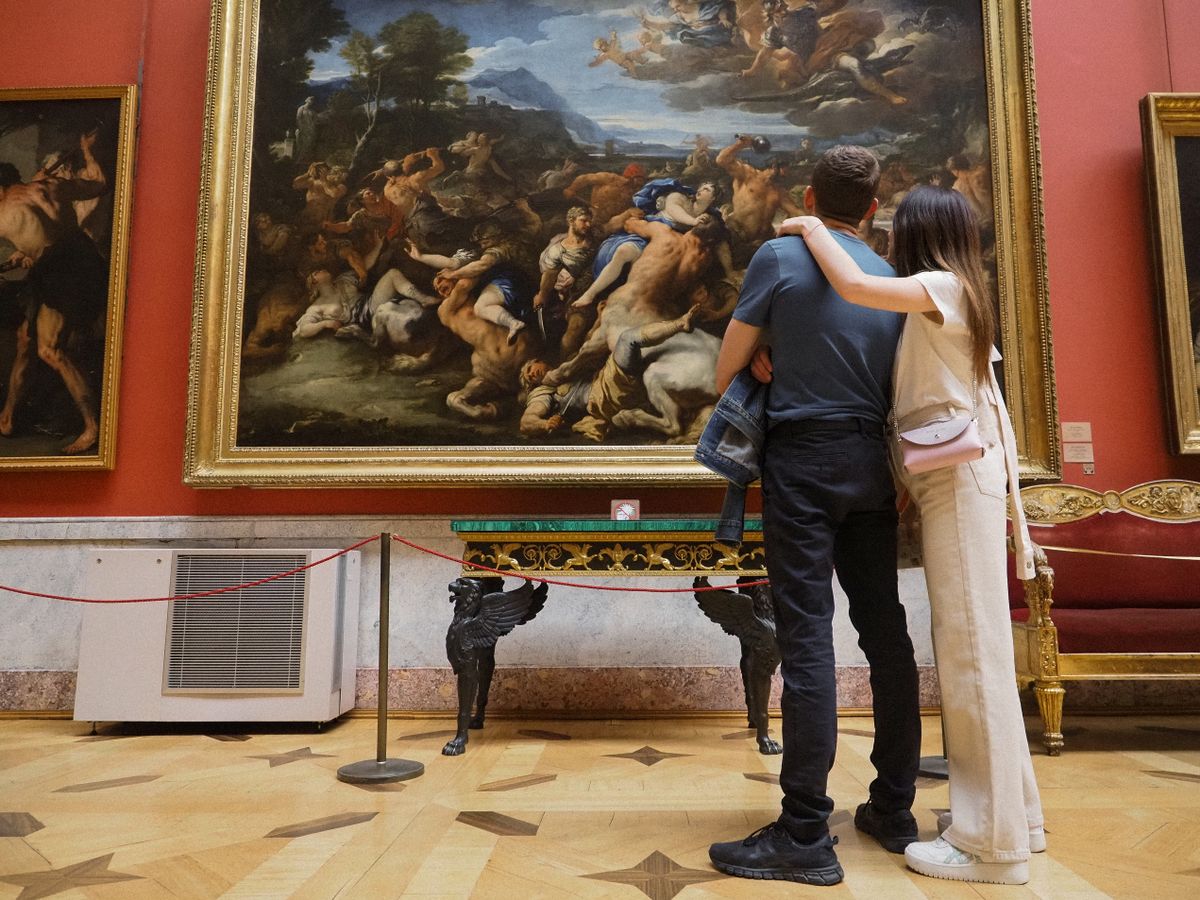
The second date: make something or watch something, together. By now you know you like talking to each other. The second date is where you learn how someone is — how they handle novelty, mild incompetence, queues, other people. A cooking class is ideal anywhere, and in Singapore the multicultural options are a gift: learning to fold dumplings or balance a rempah is funnier and more revealing than any dinner reservation. The National Gallery works beautifully — two people wandering the world’s largest public collection of Southeast Asian art will never run out of things to point at — as does a hawker crawl conducted with mock seriousness: one dish per stall, scores out of ten, strong opinions mandatory. Maxwell, Tiong Bahru Market or the breezy seafront tables at East Coast Lagoon will do the rest. None of these formats requires either of you to perform. All of them reveal.
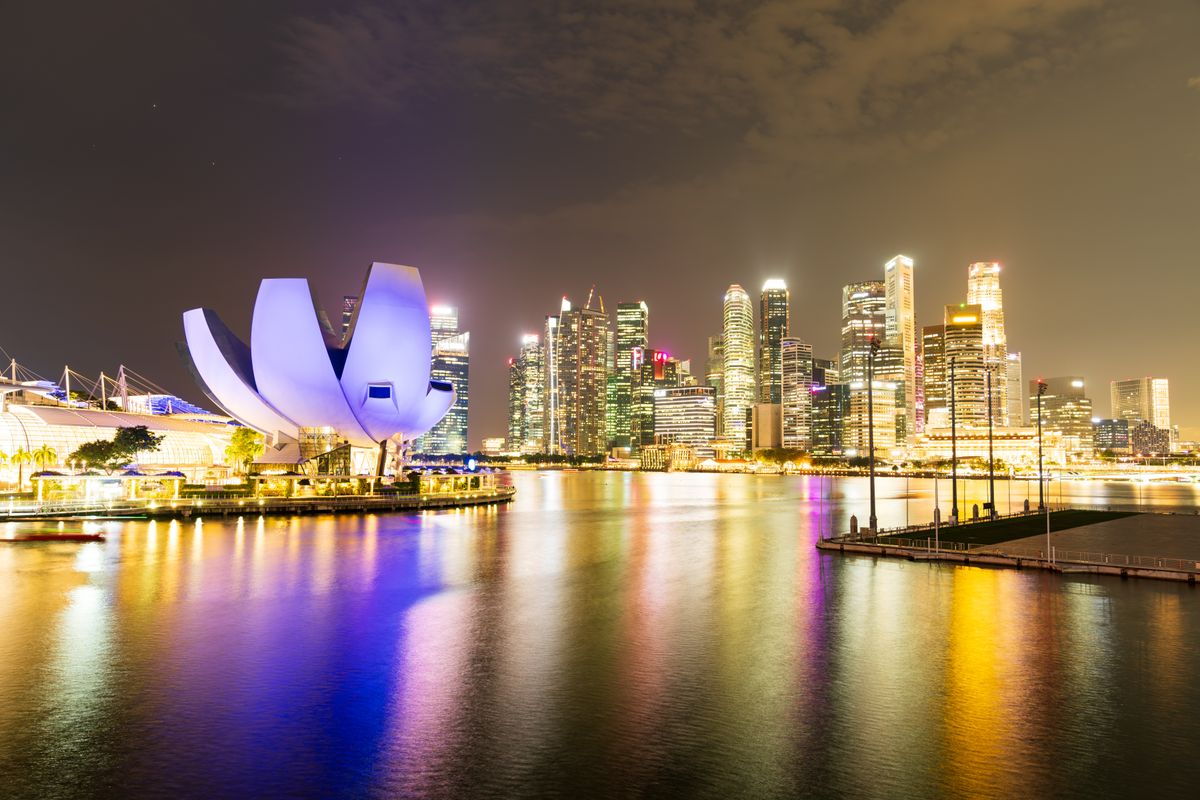
The third date and beyond: shared mild adventure. This is where Singapore quietly outclasses its reputation. Walk the Southern Ridges at golden hour, over the steel waves of Henderson Waves bridge, with the forest canopy at eye level. Cross the MacRitchie Reservoir boardwalks, or commit to the TreeTop Walk if you are both feeling sturdy. Take the bumboat from Changi Point to Pulau Ubin, hire bicycles, and spend an afternoon in the Singapore of fifty years ago — dirt tracks, wild boar, the wetlands at Chek Jawa — before the boat ride home turns everyone reflective. Catch the ferry to Lazarus Island with a picnic. Kayak at dawn. Watch an outdoor film or a free concert at the Esplanade’s waterfront. Wander Gardens by the Bay at night, when the Supertrees hum through the light show and admission to the groves costs nothing. Each of these produces what I call a story asset: a shared memory with a beginning, middle and end, which becomes part of the private language of a new couple.
Notice what is missing: anywhere you go primarily to be seen, and anywhere the main activity is ordering. Venues are backdrops. Experiences are plots. People fall for plots.
How to Use Singapore’s Weather, Geography and Evenings
Bangkok has three seasons; Singapore has one, plus thunderstorms. That sounds like a limitation. Used well, it is a superpower, because a city with one season is a city where every good date idea works all year. But it does demand craft, and the craft has three rules.
Rule one: the evening is the star. From late morning to late afternoon, the heat and humidity are genuinely hostile to romance — nobody flirts well while visibly melting. So sequence around it. Daytime dates start indoors and cool — a gallery, a museum, a long lunch, the gloriously chilled conservatories at Gardens by the Bay — and emerge at five or six, when the light turns gold and the whole city exhales. The Botanic Gardens at dusk, a UNESCO site that costs nothing to enter, is one of the most quietly romantic places in Asia. Evening is when Singapore becomes the city the postcards promise, and it happens every single day of the year.
Rule two: treat the thunderstorm as a plot twist. Singapore’s rain rarely drizzles; it arrives suddenly, theatrically, and usually briefly. A downpour is not a ruined date — it is a forced improvisation, which is the best kind. Duck into the nearest kopitiam and let the weather extend the conversation. Always know, roughly, what is sheltered within two hundred metres of your plan. Some of the best date stories I hear from our members begin with the words “and then the sky just opened”.
Rule three: exploit the smallness. Singapore’s compactness is its most underrated romantic asset. In London or Bangkok, an ambitious date is a logistics exercise. Here, the rainforest, the coast, the islands, three distinct historic quarters and one of the world’s great skylines all sit within about forty minutes of one another. You can watch the sunrise at East Coast Park and be at a gallery by ten. The city removes friction between ideas, which means the only real constraint on your dating life is imagination — and imagination is free.
If you are newer to the city and the problem is not ideas but people, that is solvable too; I have written a fuller guide to the best places to meet new people in Singapore that pairs naturally with this one.
The Science: Why Shared Experiences Beat Nice Dinners
None of this is merely my taste. The psychology of attraction has pointed the same way for half a century.
Arthur Aron’s work on the self-expansion model found that people are drawn to relationships that enlarge them — new skills, new perspectives, new experiences — and that couples who do novel, engaging activities together report feeling markedly closer than couples who default to the pleasant and familiar. Novelty is not decoration in early dating. It is the mechanism itself. The famous “shaky bridge” study by Dutton and Aron made a related point decades ago: a little arousal — height, speed, noise, the wobble of a bumboat — becomes entangled with the person you shared it with. Psychologists call it misattribution of arousal. Daters should call it a strategy.
Then there is the humble mere-exposure effect, our tendency to grow fonder of people through repeated, low-pressure contact. It quietly argues for the walking date, the market date, the class date — formats that make a second and third meeting feel natural rather than negotiated. “Same time next week, different hawker centre” is a far easier sentence than “would you like to have dinner with me again”, and it does more work.
Across the real-world meetings that happen through SPARK, the pattern is unmistakable: the dates people rave about afterwards are almost never the ones with the most glamorous venue. They are the ones with the most plot. Memory does not reward expense. It rewards texture.
Dating Well in an Expensive City
Which brings me to money, because Singapore is genuinely expensive, and daters here often assume the price of the date signals the seriousness of the intent.
It does not, and the city itself offers the proof. Singapore contains one of the great social equalisers on earth: the hawker centre, where a dish good enough for a UNESCO cultural listing costs a few dollars and everybody — bankers, students, grandmothers, first dates — sits on the same stools under the same fans. A hawker date says I have taste and I pay attention, which is far more attractive than I have money. So does the free Botanic Gardens at dusk, the free light show under the Supertrees, the two-dollar bumboat, the sunrise at East Coast Park. In a city famous for its cost of living, an enormous share of the genuinely romantic experiences cost almost nothing. Curiosity is the currency, and both of you can be rich in it.
There is a practical bonus. When dates cost little, you can date generously — more often, more experimentally, with less pressure riding on any single evening. The person who plans one lavish dinner a month is out-romanced by the person who plans four curious afternoons. Save the skyline cocktails and the tasting menu for when there is something real to celebrate; by then the setting will mean something, because the two of you already do.
So retire the question “where should I take them?” and replace it with a better one: “what could we discover together?” The first question produces reservations. The second produces relationships.
Why We Built SPARK Around Experiences
Everything above explains a design decision people sometimes ask me about: why SPARK is built around experiences rather than chat.
SPARK is not a dating app, and I am precise about that. We are building social discovery — a verified community where people meet in real life through curated shared experiences, whether they are looking for romance, friendship, professional connection or mentorship. The dating side simply applies the logic of this essay: if shared experiences are how humans actually bond, the product should start there.
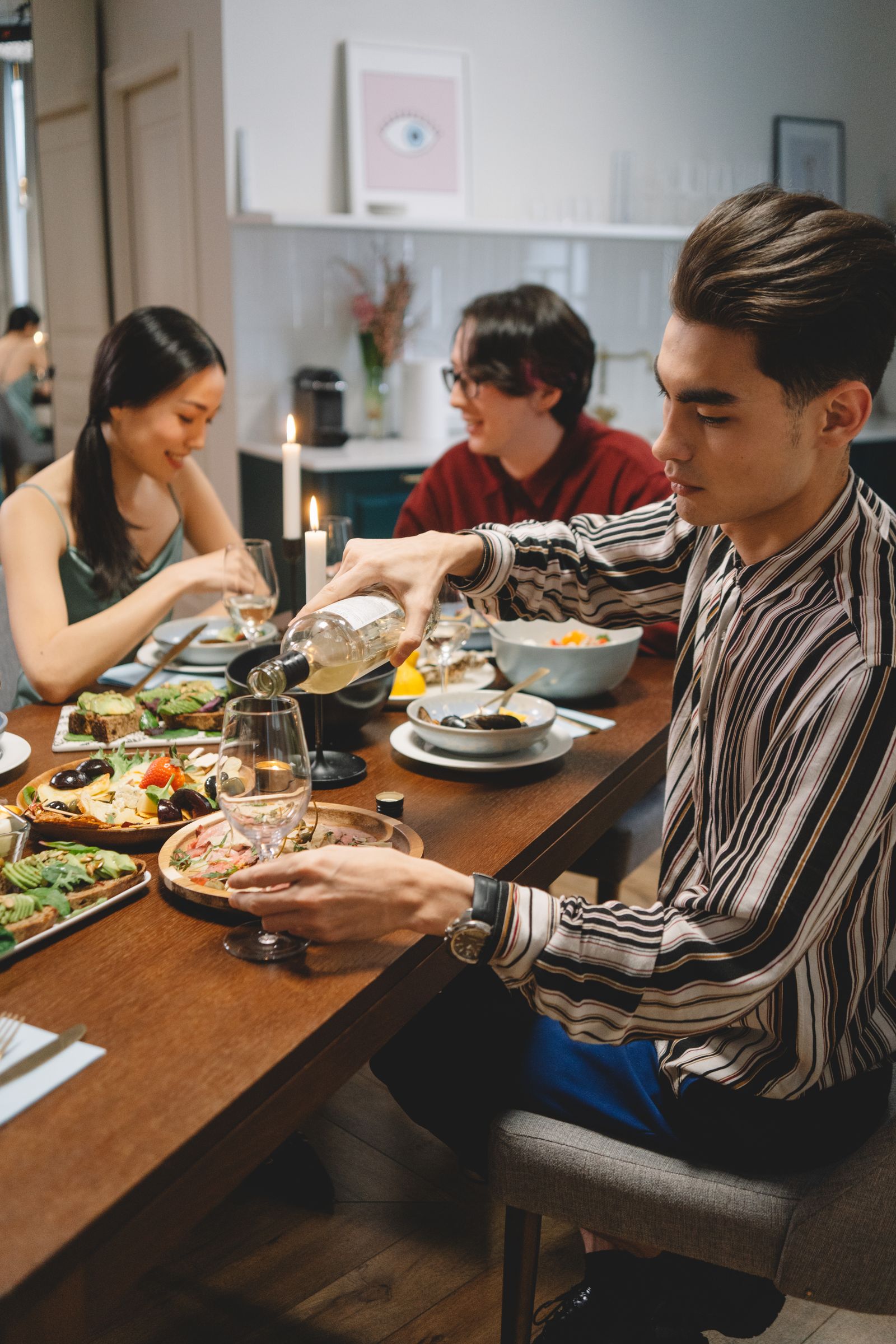
So instead of optimising for messages sent, we organise real experiences across the city — supper clubs, padel sessions, gallery evenings, hawker crawls, island trips — drawing on more than 3,000 partner venues across Bangkok and Singapore, so our members always have somewhere worth meeting. Every member is verified, because walking into a room of strangers should feel exciting, not risky; you can read exactly how we handle that on our safety page. And because so many of our members are new to the country, the same experiences that spark romance also quietly solve the adjacent problem of making friends in Singapore.
In other words: we took everything in this article and turned it into infrastructure. The third thing, on tap.
Looking to meet interesting people in real life? Download SPARK or join our verified community.
FAQs
What is the best first date idea in Singapore? Coffee and a walk through a neighbourhood with layers — Tiong Bahru, Kampong Glam or Joo Chiat are ideal. It is low-pressure, easy to extend if it is going well, and the streetscape gives you endless natural conversation. Save dinners and skyline venues for later, once the connection is established.
What are good cheap date ideas in Singapore? Some of the city’s most romantic experiences are nearly free: the Botanic Gardens at dusk, the Supertree light show at Gardens by the Bay, the Southern Ridges walk, the bumboat to Pulau Ubin, and any hawker centre worth arguing about. Research on attraction consistently finds that novelty and shared engagement build closeness far more than spending does.
When is the best time of day for a date in Singapore? Evening, almost always. The midday heat is unkind to everyone, so start indoors — a gallery, a museum, a long lunch — and move outside from about five o’clock, when the light softens and the city cools. And keep a sheltered fallback within a short walk: a sudden thunderstorm handled with good humour often becomes the best part of the story.
Founder’s Note
Singapore rewards daters the way it rewards everyone else: it gives its best to people who look past the obvious.
The skyline is the postcard, but the romance lives in the wet markets and the boardwalks, the bumboats and the thunderstorms, the hawker table where two people discover they disagree passionately about chicken rice. Your job on a date is not to impress another person; it is to build an environment where two people can enjoy being themselves at the same time. This city, read properly, is full of such environments.
Pick the third thing. Let the island do its work. Everything else follows.
— Sunny Khurana, Founder & CEO, SPARK
Keep Reading
More from the Journal


Looking to meet interesting people in real life?
SPARK is a members’ community for dating, friendship and professional connection — built around curated real-world experiences in Bangkok, Singapore and, from September, New Zealand.
Or read us first — new essays on real-world connection, monthly.